
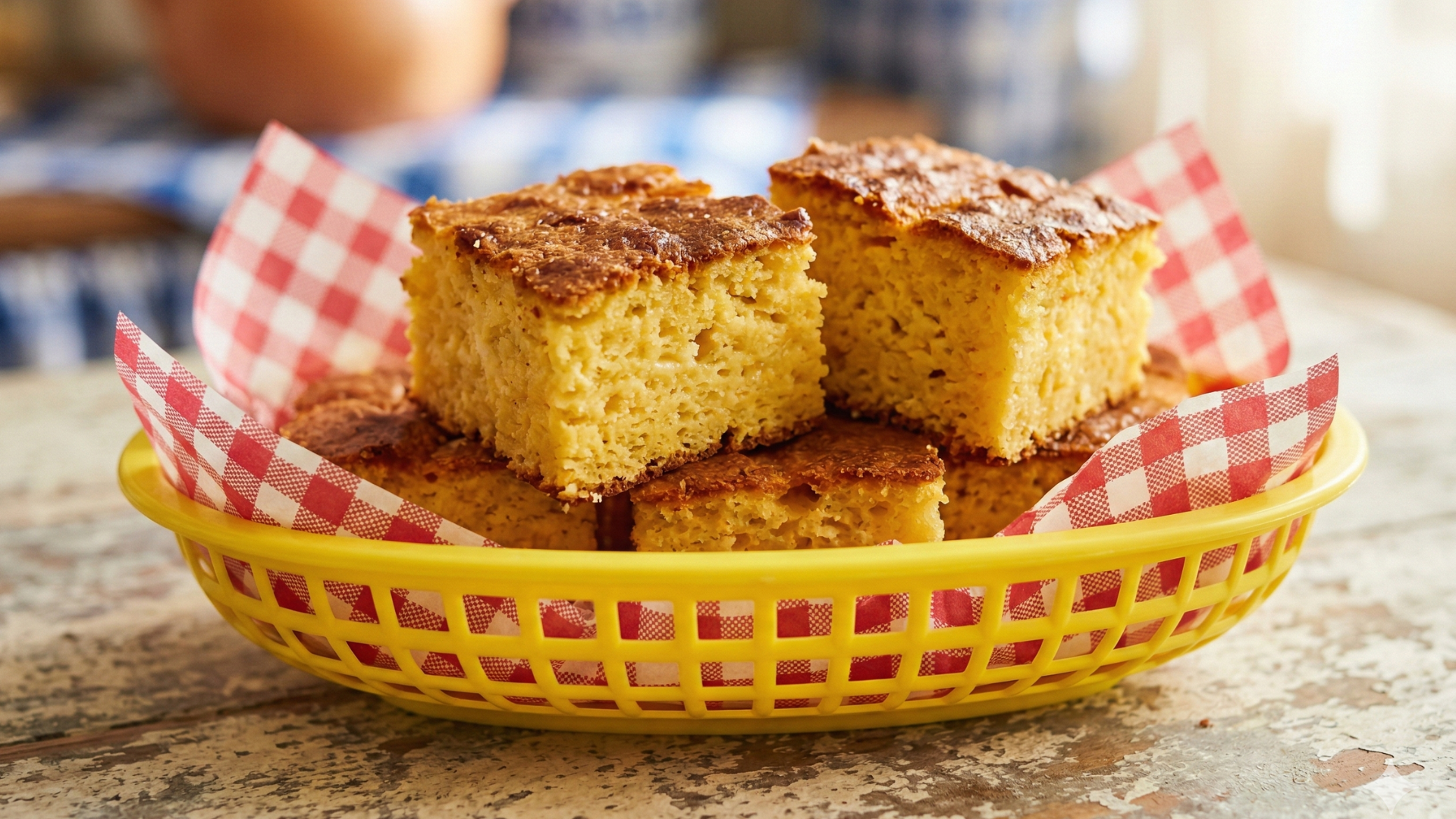
Although Paraguay is globally known for its intense heat – with summers that easily surpass 40°C (104°F) – the arrival of cold fronts completely transforms the rhythm of local cuisine.
Paraguayan winter, though short, becomes the perfect setting for rich, hearty, and deeply comforting food designed not only to warm the body, but to nourish the soul.
If you’re exploring the heart of South America during the cooler months, here is your essential guide to the dishes that define winter in Paraguay.
1. Vori Vori: The World’s Best Soup
Recently recognized in global gastronomic rankings, Vori Vori (also spelled Bori Bori) represents the pinnacle of Paraguayan comfort food.
It’s a thick, nourishing chicken soup enriched with vegetables and the famous “little balls” that give the dish its name.
What Makes It Special:
The dumplings are made from cornmeal and Paraguayan cheese, cooked directly in the broth, creating a uniquely rich texture.
Linguistic Curiosity:
In Guaraní, repetition signals abundance. “Vori Vori” celebrates the generosity of small spheres of flavor in every bowl.
2. Pastel Mandi’o: The Rooted Empanada
Unlike wheat-based empanadas found across the continent, Pastel Mandi’o uses dough made from cassava and corn flour.
The Experience:
The result is a crispy exterior with a soft interior, traditionally filled with seasoned ground beef, egg, and fresh herbs.
Seasonality:
It’s the absolute star of the San Juan festivities in June, but remains a beloved winter snack throughout the country.
3. Mbeju: The Tapioca & Cheese Classic
Mbeju is a starchy pancake made from cassava starch, fresh Paraguayan cheese, fat, and milk.
It’s cooked in a very hot skillet, producing a crumbly yet intensely flavorful texture.
Perfect Pairing:
There is no Mbeju without a hot Cocido. It’s the ultimate breakfast or afternoon snack on cold, rainy days in Asunción.
4. Cocido Quemado: Paraguay’s “Coffee”
Cocido is the drink that fuels Paraguay in winter.
Unlike traditional mate, this version is prepared in a ritualistic way: dried yerba mate leaves are placed over charcoal embers with sugar until they caramelize.
Versatility:
It can be consumed black or with milk. Its smoky aroma and lightly sweet flavor make it the perfect substitute – or even upgrade – to conventional coffee.
5. Soyo con Tortilla: Nutrition and Tradition
Soyo (short for So’o Josopy, meaning “crushed meat”) is a finely ground beef soup prepared with fresh vegetables and local seasonings.
The Essential Companion: Soyo is never eaten alone.
It is always served with Paraguayan tortillas – fried discs of dough made from flour, milk, and generous amounts of cheese (similar to savory fritters).
Rich in iron and protein, this combination is ideal for fighting off winter fatigue.
Coming to Asunción? Stay at ZenGarden Paraguay
To fully enjoy Paraguay’s rich gastronomy and vibrant culture, your base of exploration makes all the difference.
ZenGarden Paraguay offers the perfect refuge in Asunción, combining modern comfort with an atmosphere of absolute tranquility.
Strategically located for easy access to the city’s best restaurants and historical landmarks, the property was designed to be your private oasis after a day of discovery.
Whether relaxing in the gardens or recharging your energy, ZenGarden is the choice for travelers seeking an authentic yet refined experience in the capital.
Book your stay with us and experience Paraguay with maximum comfort and well-being.
Contact us via WhatsApp.
6. Chipa Asador (Chipa Kavure)
Chipa is Paraguay’s national bread, but the Asador version is a unique experience.
The dough is wrapped around a wooden stick and roasted directly over embers, requiring constant rotation to prevent burning.
Why Try It:
Direct contact with the fire creates a smoky flavor and rustic crust that traditional oven-baked chipa simply cannot replicate. It’s a perfect example of Indigenous culinary influence in modern daily life.
7. Mate: The Warming Ritual
While Tereré (iced mate) dominates summer, hot Mate takes the throne in winter.
In Paraguay, it’s common to add medicinal herbs (yuyos) and citrus peels – such as orange or lemon – directly to the hot water to enhance both flavor and warming properties.
8. Dulce de Batata with Queso Paraguay
To finish, the most traditional dessert is simplicity on a plate: a slice of solid sweet potato paste served with a generous slice of Queso Paraguay (a fresh, slightly tangy, soft cheese).
The Balance:
The contrast between the intense sweetness of the potato and the gentle saltiness of the artisan cheese perfectly captures the essence of Paraguay’s rustic confectionery tradition.
Conclusion
So, did you enjoy today’s tips?
Paraguayan winter cuisine is far more than sustenance for cold days – it is a living testament to the resilience and cultural fusion between the Guaraní people and Spanish heritage.
Each dish, from comforting Vori Vori to aromatic Cocido, carries centuries of history and a hospitality that warms as much as the glowing embers beneath the pot.
By visiting Paraguay during winter, you gain the rare opportunity to experience seasonal flavors that represent the true heart of the country.
Allow yourself to explore these traditions and discover why the Paraguayan table remains one of South America’s best-kept secrets.
Comments are closed